Departure
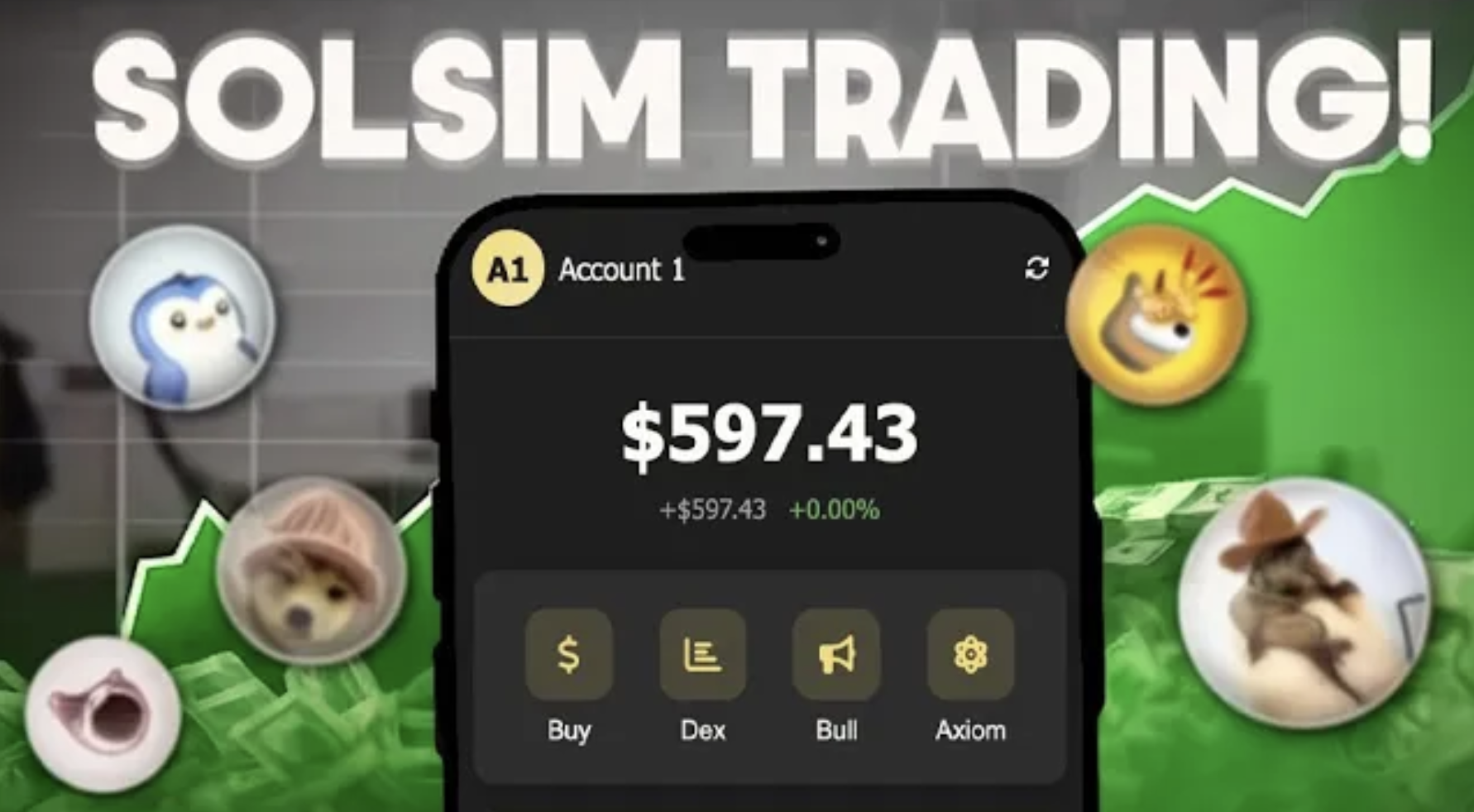
Solana token launches move fast enough that the interface can feel like a video game. SolSim was the paper-trading sandbox: a Chrome extension that overlaid a fake wallet on top of Axiom.trade so I could practice the motions without spending SOL. That was the project. Then people started attaching real token activity to the SolSim name.
Approach
- Next.js
- Chrome Extension
- Supabase
- Solana
- Pump.fun
Keep the simulator risk-free while keeping the project identity clear.
Field log
Spent two weeks reading before writing a line: Web1/2/3, hashing, public keys vs seed phrases, PoW vs PoS, why Solana picks throughput over Bitcoin's security, where SPL tokens live on top of the chain. Built a deck of crypto basics I almost believed.
Chrome extension that overlaid a fake wallet on top of Axiom.trade. Same Buy / Sell terminal, same candlesticks, fake SOL. Yellow smiley face in the corner where Phantom usually goes.
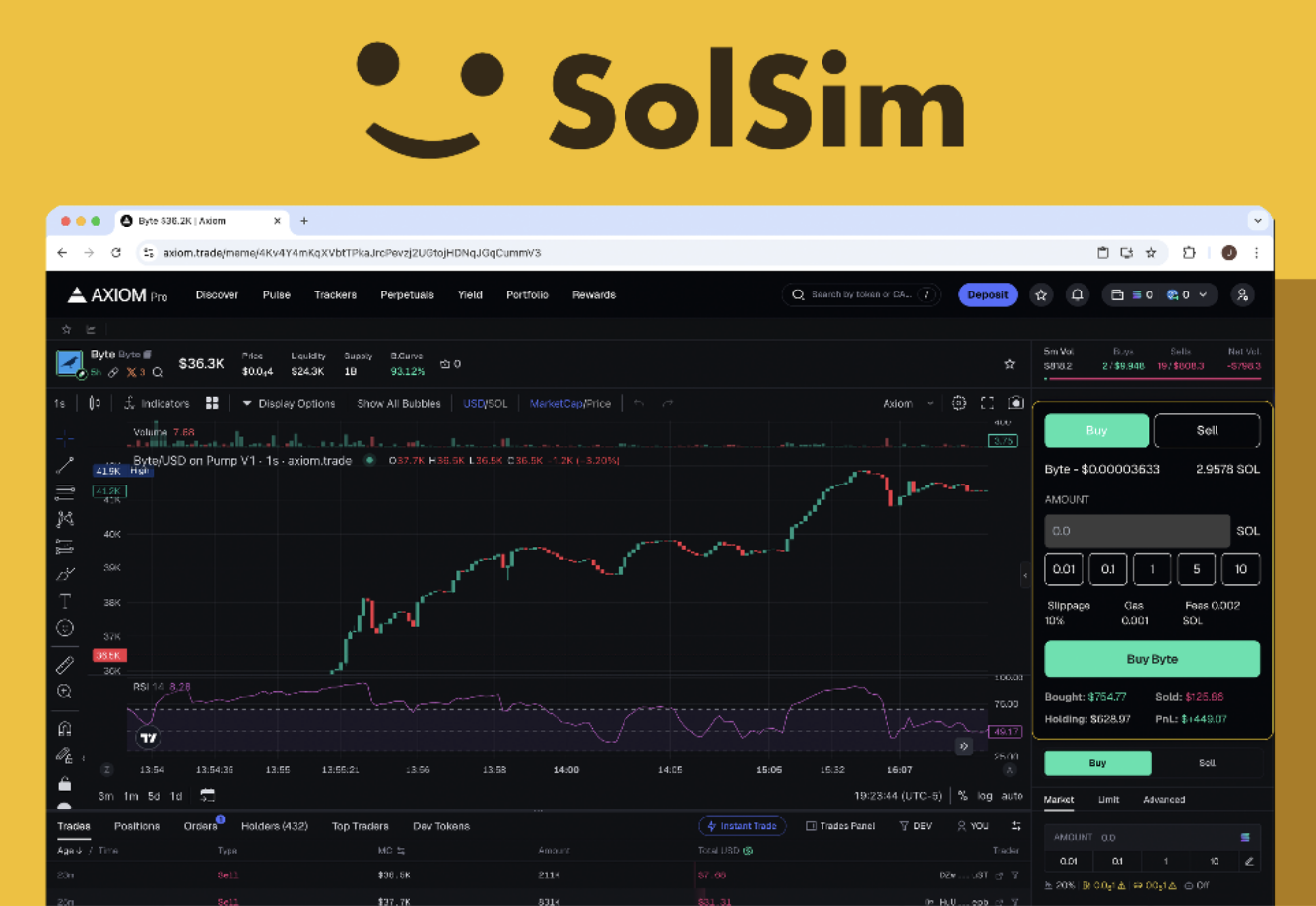
SolSim panel parked on top of Axiom — fake wallet, real chart. JavaScript, Next.js for the UI components, Supabase for the wallets table, Chrome Extension for the surface. Lived on top of someone else's UI; let them ship the charts.
Chrome Web Store accepted the build. 158 store-page views in the first week. @getsolsim opened the same day — 50 followers, a Mar 30 tweet about risk-free practice, an Apr 2 tweet promising SOL to whoever paper-traded best.
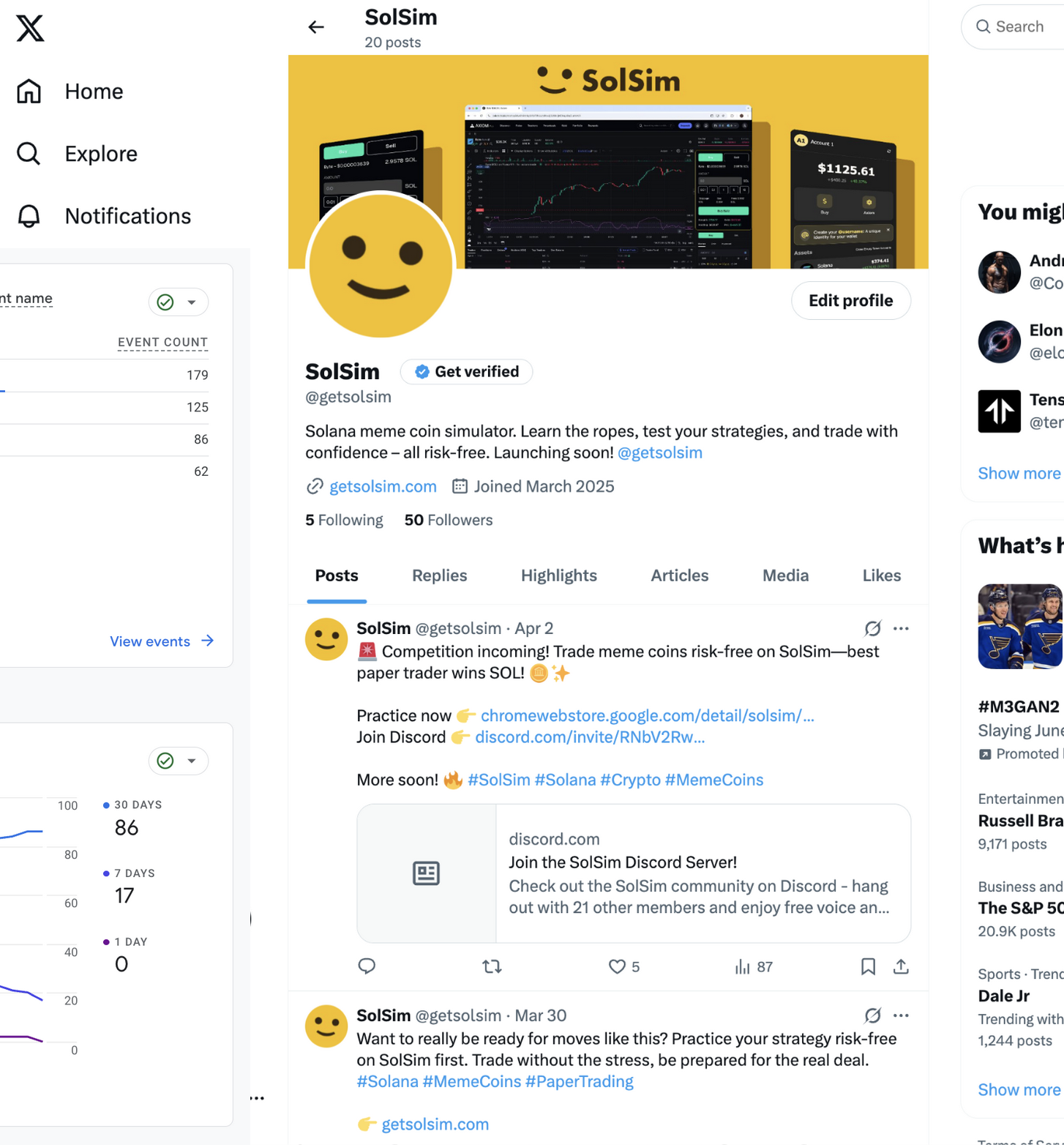
@getsolsim, week one. Chrome Web Store impressions: flat at zero through mid-March, spiked to roughly 100 on the 23rd, trended back to zero by April. The shape of every extension launch I've watched.
Palo 16.7K impressions over six months. ClipChat 780 over half a year of chaotic single-digit days. SolSim 512 in three weeks, then off.
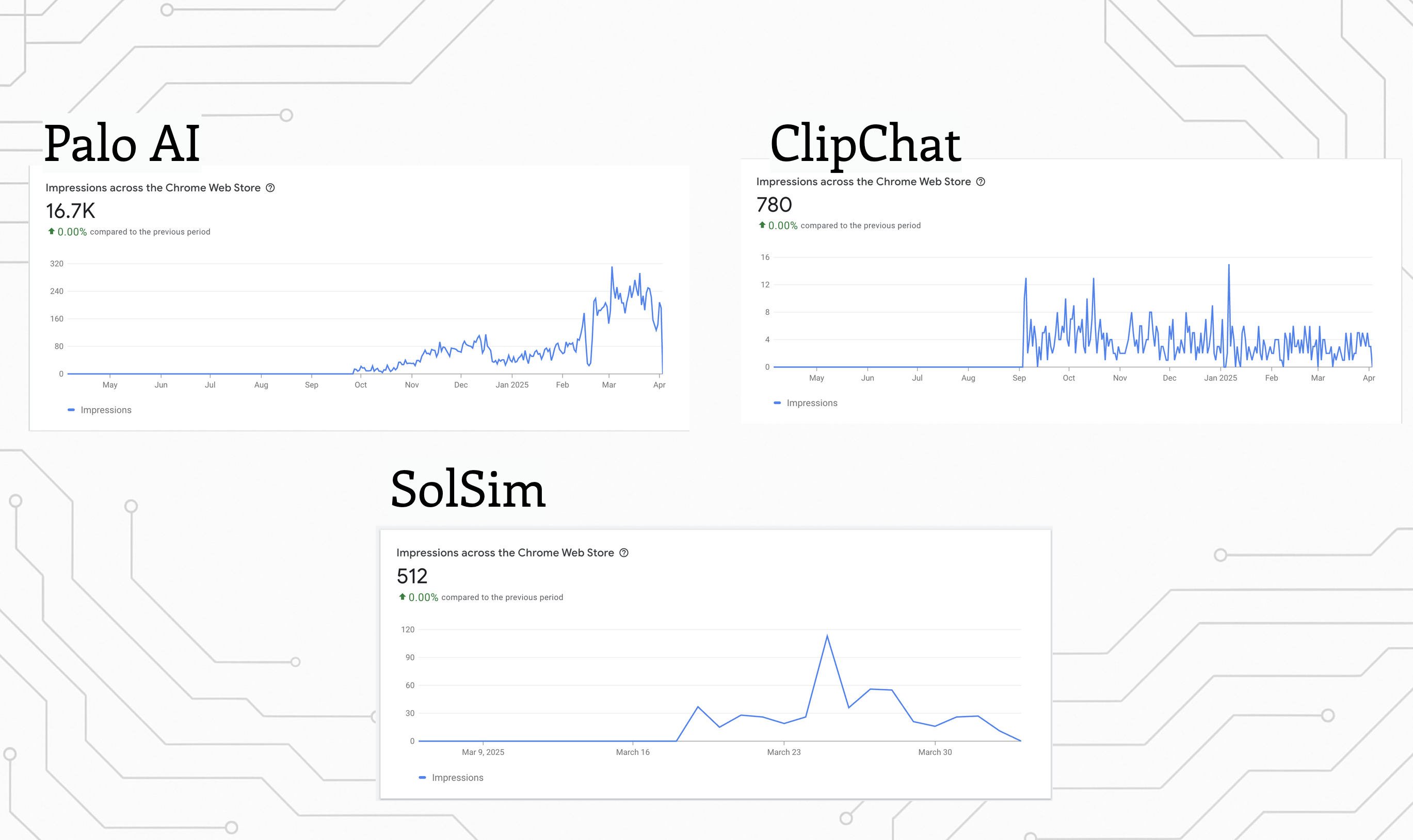
Three extensions, three different shapes of not very much. Someone in the Discord sent 0.01 SOL — $1.47 — to the SolSim wallet. The smallest possible transfer. Only one that ever arrived. Building cool stuff is fun.
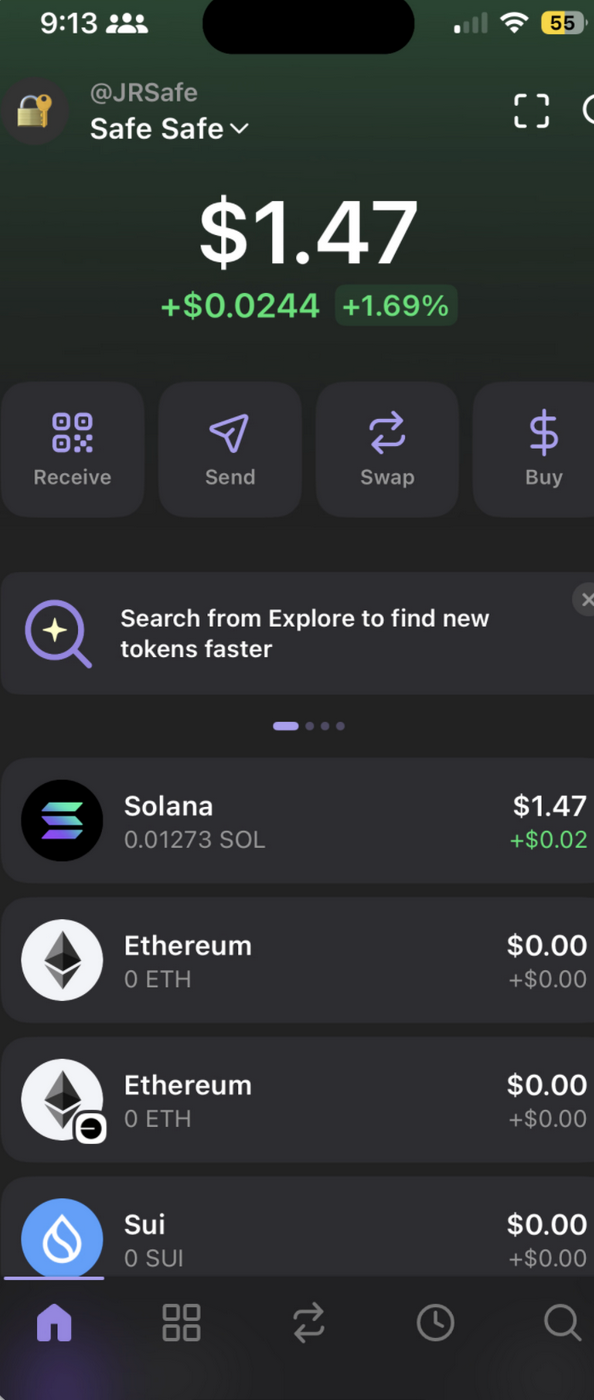
0.01 SOL from a stranger in the Discord. Manifest v3, content scripts, background workers, chrome.storage. Async everywhere. The deeper shift was leaving static pages behind and starting to think in state and data flow.
Slide 22 of the deck. Title card on a black background. Educational arc was officially over.
Friday night, mid-Starcraft game with friends. SOLSIM-looking coins had started appearing around the same smiley and name. I launched one official contract so Discord competitions and community posts had a canonical token instead of random lookalikes.
The announcement was just the Solana contract address with two hashtags underneath. No copy. No image. 14 replies, 8 likes, 6K views.
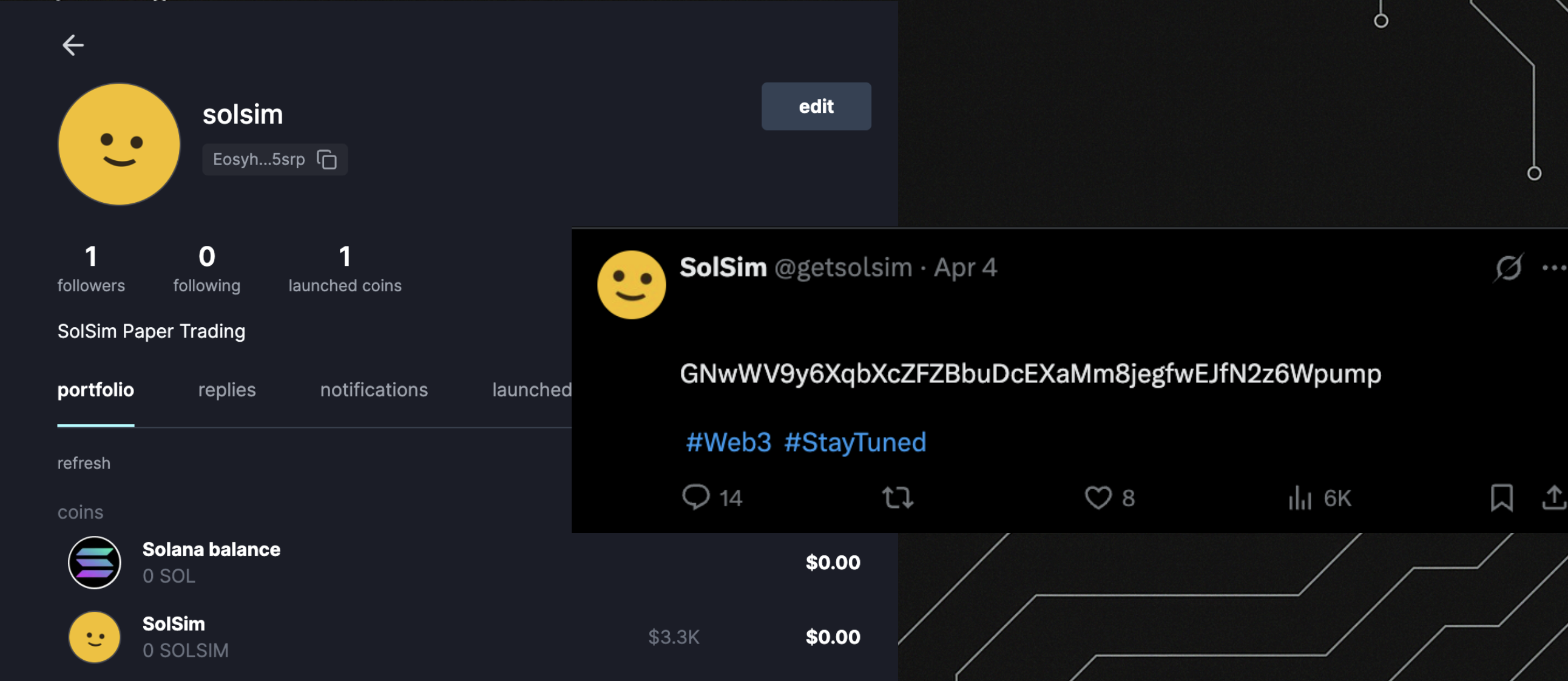
The whole tweet. Daily-joins chart had been flat at zero for the entire history of the server. The day the official contract went out it spiked nearly vertical, cresting above 200 joins in twenty-four hours, then crashed back.
Followers tripled inside a week. Two tweets cleared 6K and 8.7K impressions. The token posts moved faster than the simulator posts, which was the clearest sign that the official contract should stay secondary to the product.
Three Phantom wallets funded the official launch: Safe Safe, Account 2, and Account 3. The token existed mostly to keep the project from being impersonated and to give future competitions a single reference point.
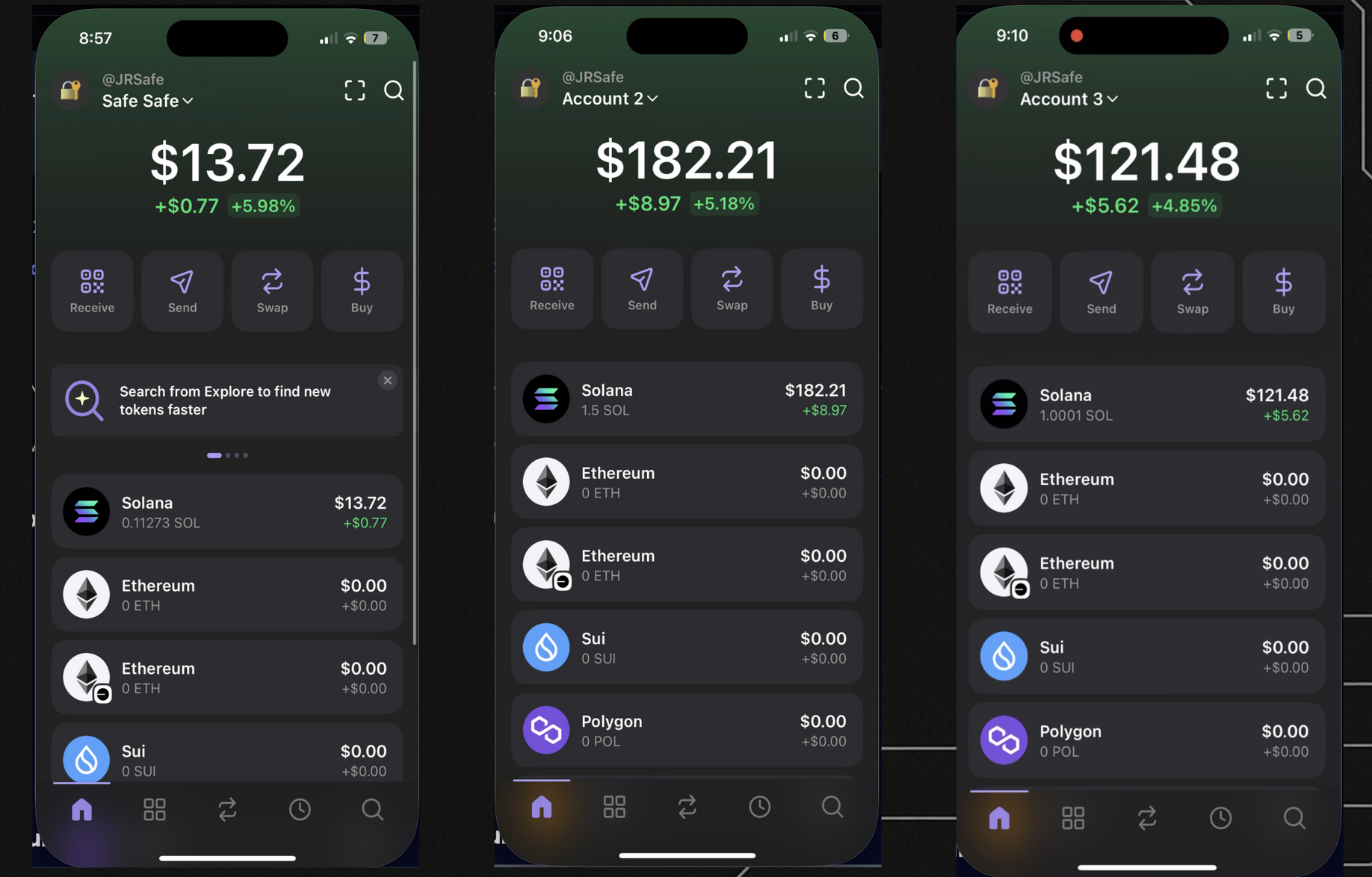
$13.72 + $182.21 + $121.48 = $316. The collage was not my practice launches. It was the reason an official contract felt necessary: SOLSIM and SOL$IM lookalikes appeared under the same smiley/name. Leaving the namespace ambiguous would have made the simulator look responsible for other people's tokens.
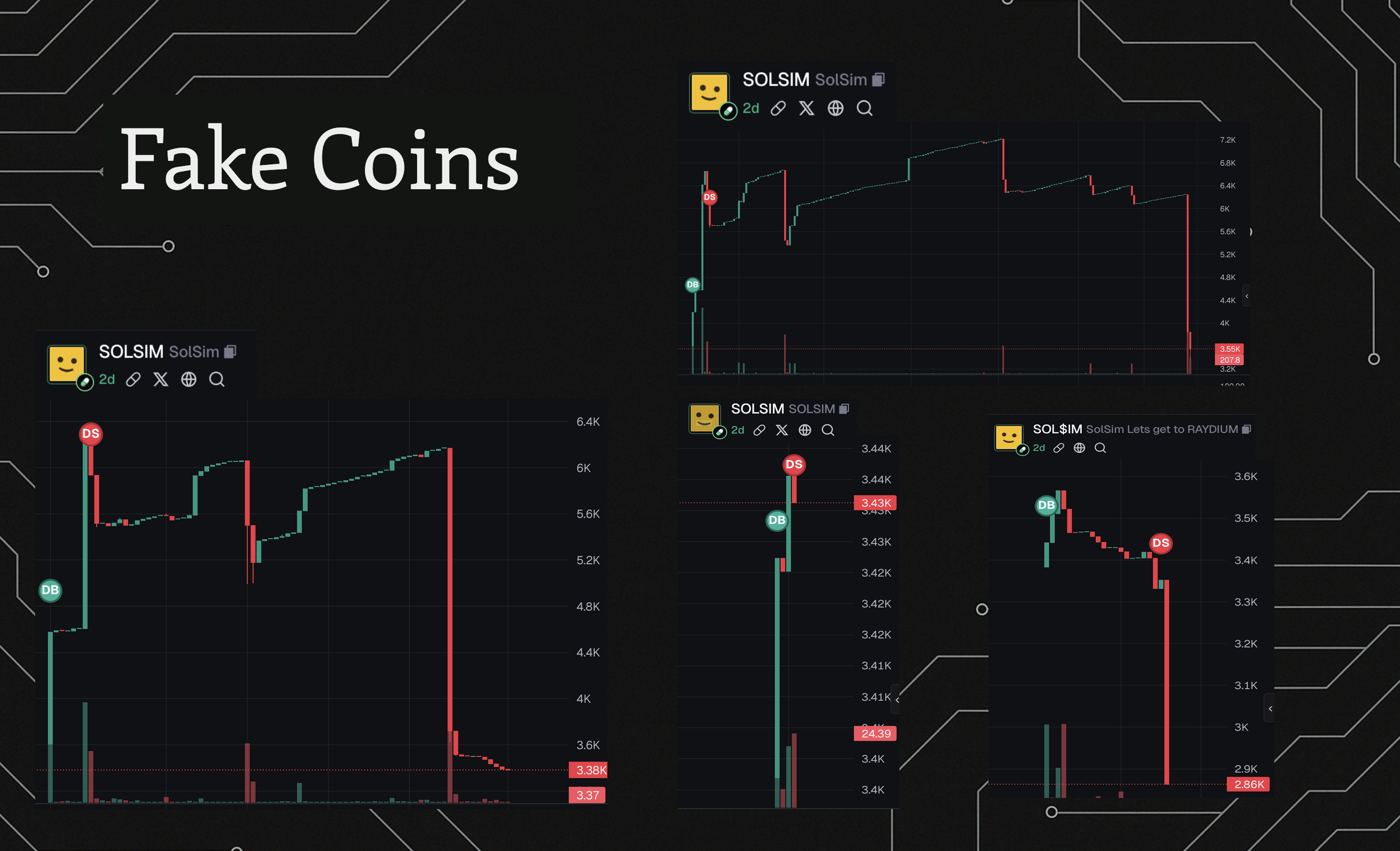
Copycat charts, not my launches. The official token chart became a reminder to keep the token secondary. The useful part of SolSim was still the paper-trading product, not the contract address.
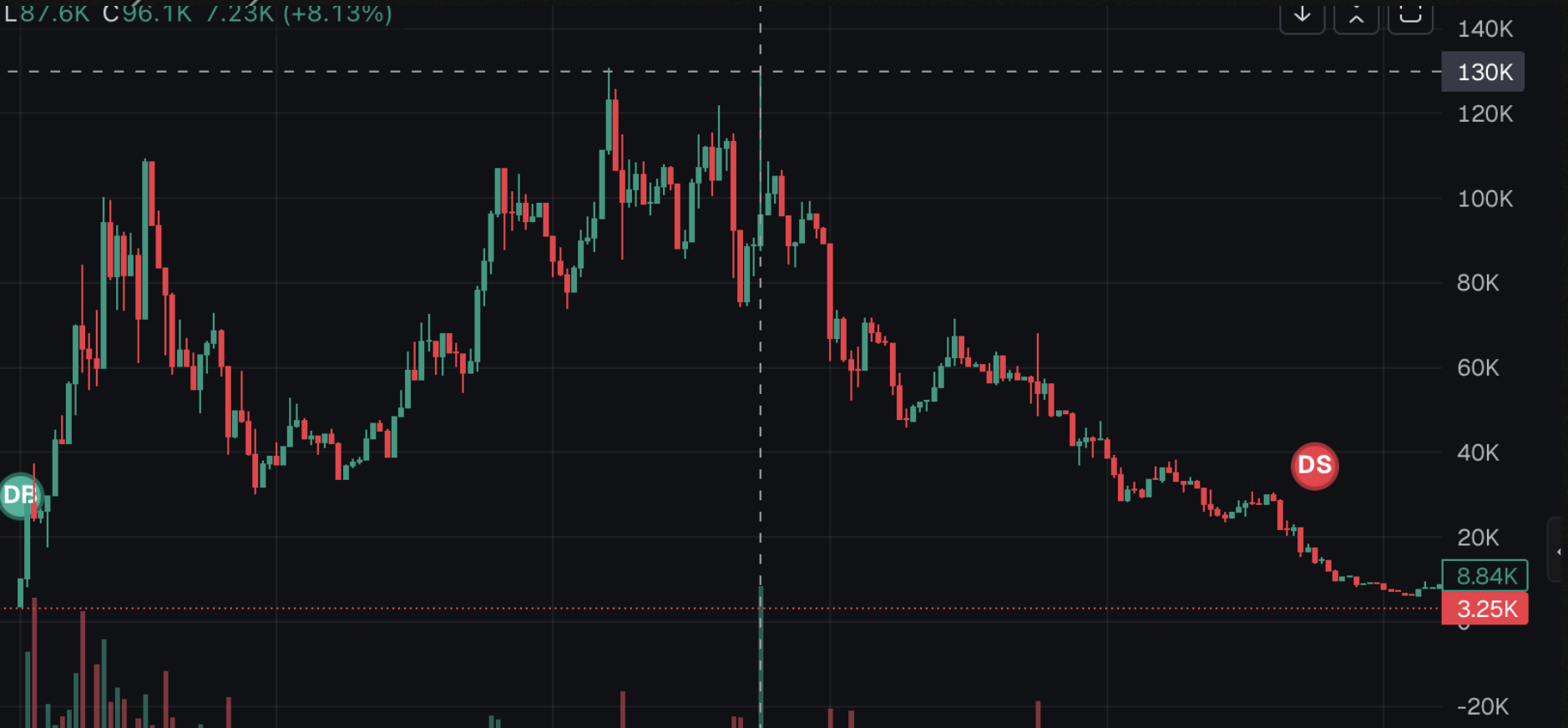
The official token chart after the first attention faded. Locked 25M of the 26.05M SOLSIM until May 4, 2026 through a vesting dashboard. The point was to make the supply visible and boring so the project could return to being about the simulator.
That was the end of it: official contract, locked supply, then back to the simulator. The durable project was still the extension, not the token.
From the gallery
What I came back with
Lesson from the terrain
Paper-trading version got 512 impressions and a $1.47 donation. The token episode taught the stranger lesson: once a product brand enters a fast-moving token space, other people can attach copycats and confusion to it whether or not that was the point. I launched one official contract for community clarity, locked most of the supply, and moved on. The durable project was still the simulator.